Unlocking Potential: The Power of Digital Collaboration in Today’s Corporate World

In today’s fast-paced business landscape, the ability to collaborate effectively is more crucial than ever. Digital collaboration technology has emerged as a game-changer, transforming how corporate teams interact, share information, and work towards common goals. Gone are the days of relying solely on physical meetings and lengthy email chains; modern tools offer dynamic and integrated solutions that foster efficiency and innovation.
Why Digital Collaboration Matters Now More Than Ever
The rise of remote work, global teams, and the need for rapid decision-making has underscored the indispensable role of digital collaboration. It’s not just about convenience; it’s about building a more agile, connected, and ultimately, more successful organization.




Key Benefits for Your Business
Adopting robust digital collaboration tools can bring a wealth of advantages:
- Improved Communication: Real-time messaging, video conferencing, and shared platforms break down communication silos, ensuring everyone is on the same page.
- Enhanced Productivity: Streamlined workflows, shared document editing, and task management tools help teams work smarter, not harder, reducing delays and misunderstandings.
- Better Decision-Making: With easy access to information and transparent discussions, teams can make more informed and timely decisions.
- Increased Employee Engagement: When employees feel connected and empowered with the right tools, their engagement and job satisfaction naturally increase.
- Flexibility and Adaptability: Digital tools support various work models, from in-office to fully remote, making your organization more resilient to change.
Essential Digital Collaboration Tools
The market offers a wide array of tools, each designed to address specific collaboration needs. Here are some categories to consider:
Communication and Messaging Platforms
Tools like Slack and Microsoft Teams serve as central hubs for communication, offering instant messaging, voice, and video calls. They often integrate with other business applications, creating a seamless workflow environment.
Project Management Software
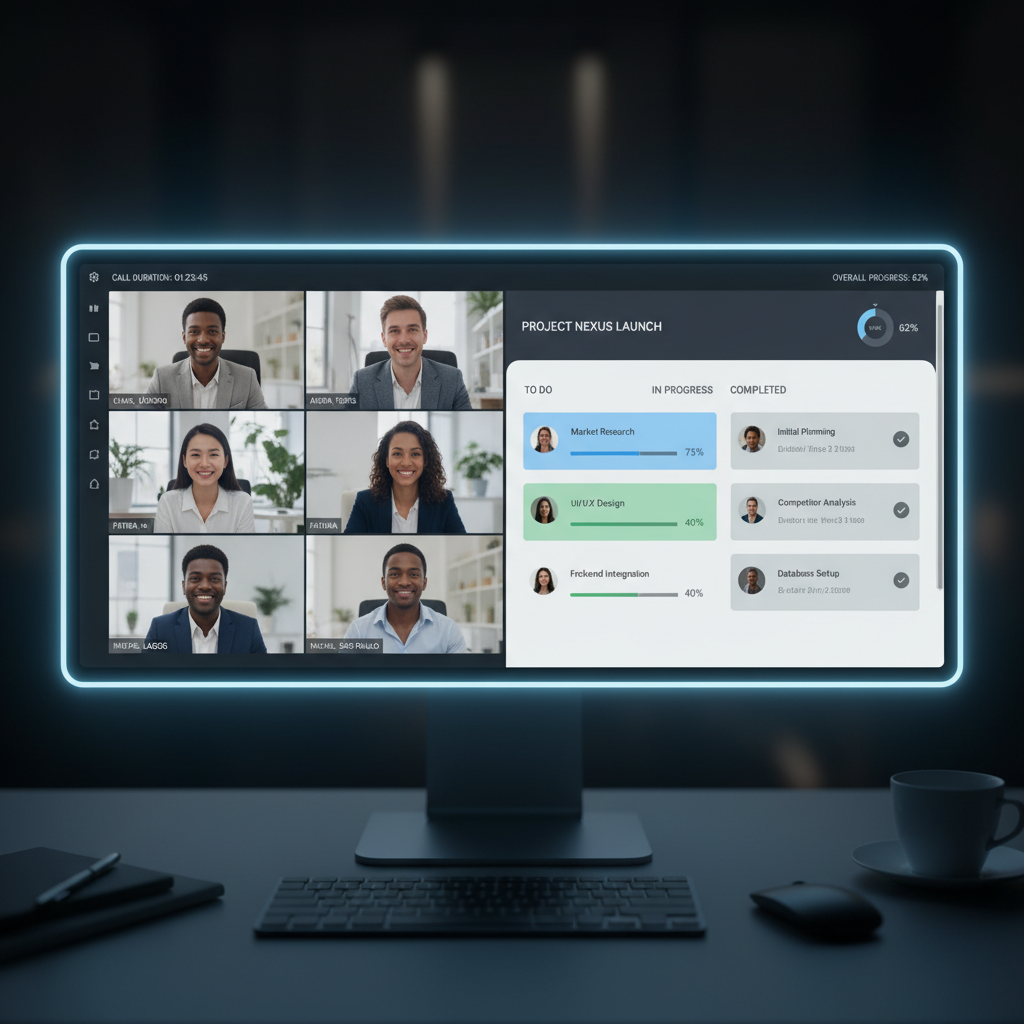
Platforms such as Asana, Trello, and Jira help teams plan, track, and manage projects from start to finish. They provide visual dashboards, task assignments, deadlines, and progress reports, ensuring projects stay on track.
Document Sharing and Co-editing
Cloud-based solutions like Google Workspace (Docs, Sheets, Slides) and Microsoft 365 (Word, Excel, PowerPoint) allow multiple users to work on the same document simultaneously, eliminating version control issues and enhancing collaborative content creation.
Video Conferencing Solutions
Zoom, Google Meet, and Cisco Webex have become indispensable for virtual meetings, webinars, and online presentations, enabling face-to-face interaction regardless of geographical distance.
Tips for Successful Implementation
Simply acquiring tools isn’t enough. Successful digital collaboration requires a thoughtful approach:
- Develop a Clear Strategy: Define your goals, identify pain points, and select tools that align with your organizational culture and needs.
- Provide Comprehensive Training: Ensure all employees are comfortable and proficient in using the new technologies. Offer ongoing support and resources.
- Foster a Culture of Adoption: Encourage leadership to champion the tools and demonstrate their value. Create internal guidelines for effective usage.
- Integrate Wisely: Look for tools that integrate well with your existing IT infrastructure to avoid fragmentation and maintain data flow.
- Measure and Adapt: Regularly assess the effectiveness of your tools and strategies. Be prepared to make adjustments based on user feedback and evolving needs.

The Future is Collaborative
Digital collaboration technology is no longer a luxury but a necessity for companies aiming to thrive in the modern era. By embracing these tools and fostering a collaborative mindset, businesses can unlock their full potential, drive innovation, and build a more resilient and connected workforce. The journey towards enhanced digital collaboration is continuous, but the rewards are significant, leading to more engaged employees, improved outcomes, and sustained growth.