Cloud Computing: The Indispensable Foundation for Modern Enterprise Infrastructure

Cloud computing has truly revolutionized the way businesses operate, moving from an innovative concept to an absolute necessity for robust enterprise infrastructure. It’s no longer just an option; for many organizations, it’s the very backbone that supports their operations, drives innovation, and ensures agility in an ever-evolving digital landscape.
The Dawn of a New Era: Why Cloud?
Gone are the days when companies had to invest heavily in on-premise hardware and complex IT departments just to keep the lights on. Cloud computing offers a compelling alternative, providing scalable, flexible, and often more cost-effective solutions for managing data, applications, and services. It allows businesses to focus on their core competencies rather than the intricacies of infrastructure management.



Unpacking the Core Advantages
Embracing the cloud brings a plethora of benefits that are hard to ignore:
Scalability and Elasticity: Instantly scale resources up or down based on demand, ensuring optimal performance without over-provisioning.
Cost Efficiency: Shift from CapEx (capital expenditure) to OpEx (operational expenditure), paying only for the resources consumed.
Enhanced Flexibility and Agility: Rapidly deploy new applications and services, innovate faster, and respond to market changes with greater speed.
Reliability and Disaster Recovery: Cloud providers offer robust redundancy and backup solutions, significantly improving business continuity.
* Global Reach: Easily deploy applications closer to your users worldwide, reducing latency and improving user experience.

Understanding Cloud Service Models
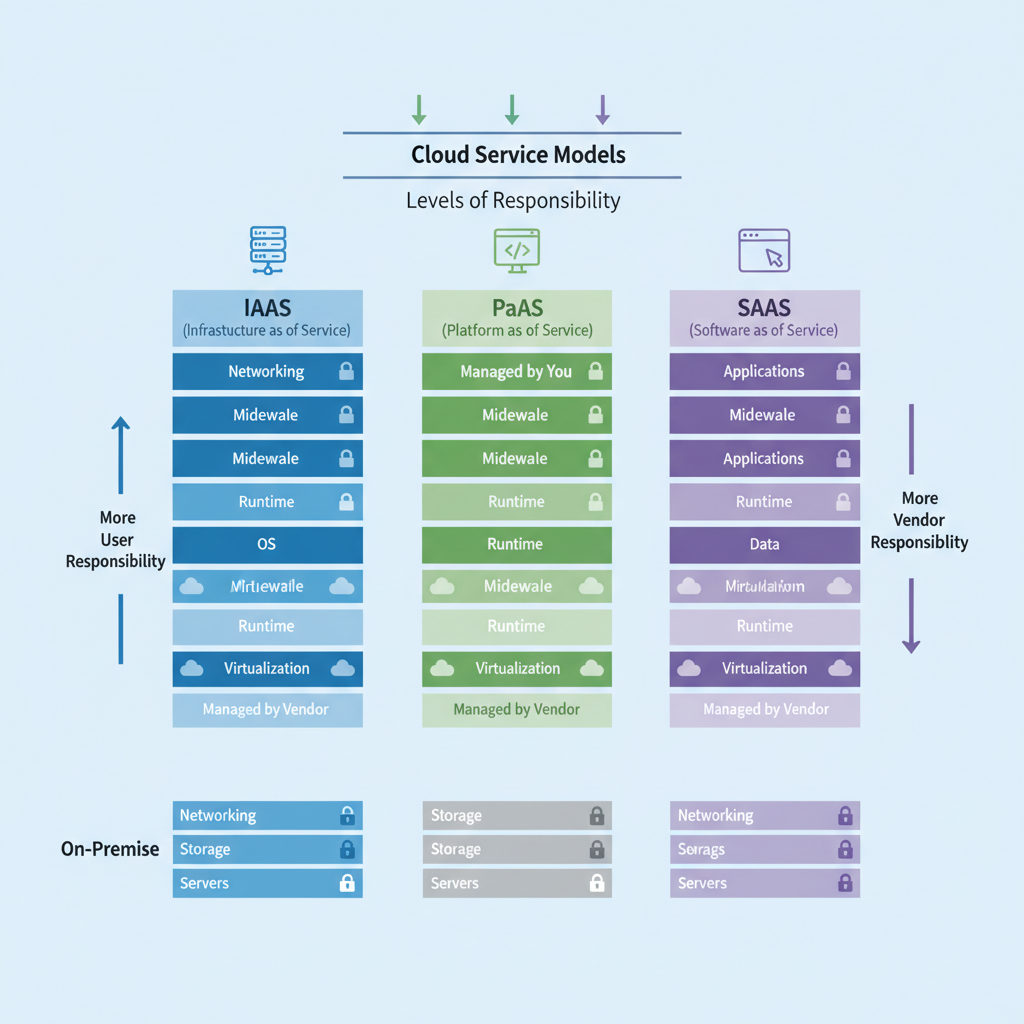
Cloud computing isn’t a one-size-fits-all solution. It’s offered through various service models, each catering to different levels of management and control:
Infrastructure as a Service (IaaS)
IaaS provides fundamental computing resources over the internet. Think virtual machines, storage, networks, and operating systems. You manage your applications and data, while the cloud provider manages the underlying infrastructure. It’s like renting the foundation of a building.
Platform as a Service (PaaS)
PaaS gives developers a complete environment to build, run, and manage applications without the complexity of building and maintaining the infrastructure typically associated with developing and launching an app. It’s like renting a furnished apartment where you only need to bring your belongings.
Software as a Service (SaaS)
SaaS delivers fully functional applications over the internet, typically on a subscription basis. Users simply access the software via a web browser or mobile app without needing to install, manage, or update anything. Examples include email services, CRM, and collaboration tools. It’s like staying in a hotel where everything is managed for you.
Deployment Models: Public, Private, and Hybrid
Beyond service models, how the cloud is deployed also varies:
Public Cloud: Resources are owned and operated by a third-party cloud service provider and delivered over the internet. Examples include AWS, Azure, and Google Cloud.
Private Cloud: Resources are exclusively used by a single organization. It can be physically located on the company’s premises or hosted by a third-party service provider.
* Hybrid Cloud: A mix of public and private cloud environments, connected by technology that allows data and applications to be shared between them. This offers greater flexibility and control over sensitive data.
Navigating the Challenges
While the benefits are clear, adopting cloud computing also comes with considerations:
Security: Ensuring data privacy and compliance is paramount. Robust security measures and adherence to best practices are essential.
Cost Management: While often cost-effective, improper management of cloud resources can lead to unexpected expenses. Continuous monitoring and optimization are key.
Vendor Lock-in: Relying too heavily on one provider’s proprietary services can make it challenging to migrate to another in the future.
Migration Complexities: Moving existing on-premise applications and data to the cloud can be a complex project requiring careful planning and execution.

The Future is Cloud-Native
As we look ahead, cloud computing isn’t just about hosting applications; it’s about building them differently. Cloud-native architectures, microservices, and serverless computing are pushing the boundaries of what’s possible, enabling unparalleled resilience, scalability, and developer velocity.
Ultimately, cloud computing is no longer a luxury but a fundamental component of any forward-thinking enterprise’s infrastructure strategy. It provides the agility, scalability, and cost-efficiency needed to thrive in today’s fast-paced digital economy, truly laying the groundwork for innovation and sustained growth.