Unlocking Business Potential: ERP as the Ultimate Enterprise System Integration Solution

Running a modern business often feels like juggling multiple balls at once – sales, finance, operations, HR, and customer service, all operating with their own systems and data. This can lead to inefficiencies, data silos, and a fragmented view of your enterprise. Enter Enterprise Resource Planning (ERP) systems, a powerful solution designed to bring all these disparate functions together.
What Exactly is ERP?
At its core, an ERP system is a suite of integrated software applications that manage and integrate core business processes across an entire organization. Think of it as the central nervous system for your company, connecting different departments and ensuring a seamless flow of information. Instead of having separate software for accounting, inventory, and customer relationship management, an ERP system consolidates these functions into one unified platform. This holistic approach helps businesses operate more efficiently and make informed decisions.



The Critical Need for System Integration
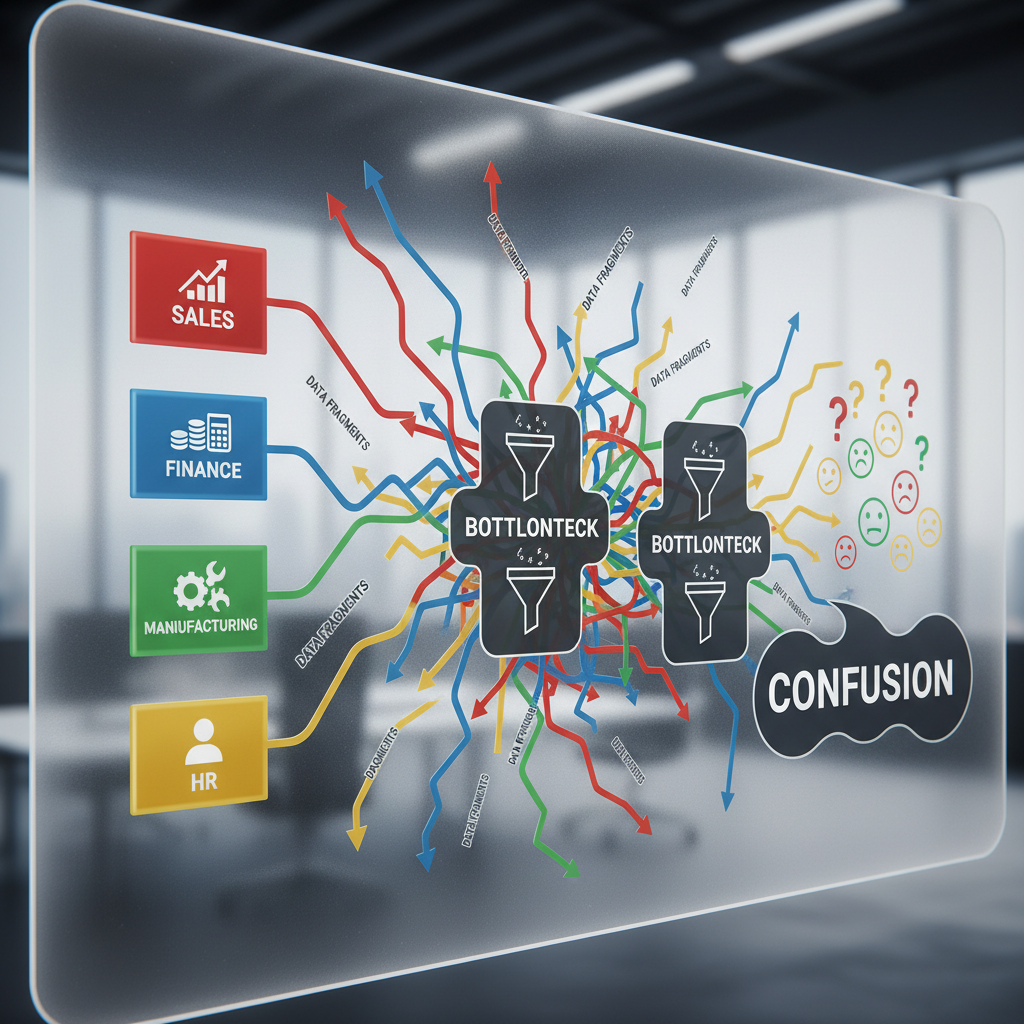
Many organizations struggle with ‘siloed’ systems, where different departments use their own isolated software. This often results in:
- Duplicate Data Entry: Information has to be manually re-entered across systems, leading to errors and wasted time.
- Inconsistent Information: Different departments might have conflicting data on the same customer or product, causing confusion.
- Lack of Real-time Visibility: It’s challenging to get a complete, up-to-the-minute picture of business operations.
- Inefficient Workflows: Processes become disjointed when information doesn’t flow freely between stages.
These challenges highlight why system integration isn’t just a nice-to-have; it’s a critical component for sustainable growth and competitiveness.
How ERP Facilitates Seamless Integration
ERP systems achieve this vital integration through several key mechanisms:
Centralized Database
Perhaps the most crucial aspect of an ERP system is its use of a single, centralized database. All modules within the ERP system access and update this common database. This means that once a piece of information is entered – say, a customer order – it’s immediately available to all relevant departments, from inventory management to billing and shipping. This eliminates data duplication and ensures everyone is working with the same, accurate information.
Modular Architecture
ERP systems are built with a modular architecture, meaning they are composed of various interconnected modules, each handling a specific business function (e.g., finance, human resources, supply chain, manufacturing, customer relationship management). While these modules specialize in certain areas, they are designed to communicate and share data effortlessly within the ERP framework. This allows businesses to implement only the modules they need, with the flexibility to add more as they grow.
Key Benefits of ERP Integration
Adopting an ERP system as an integration solution brings a wealth of benefits:
- Improved Data Accuracy and Consistency: With a single source of truth, data errors are significantly reduced, leading to more reliable reports and analyses.
- Enhanced Operational Efficiency: Automating routine tasks and streamlining processes across departments boosts productivity and reduces manual effort.
- Better Decision Making: Access to real-time, integrated data provides a comprehensive view of business performance, empowering leaders to make more informed and strategic decisions.

- Streamlined Workflows: Information flows smoothly from one department to the next, reducing bottlenecks and accelerating business processes, from order to cash.
- Cost Reduction: By optimizing resource utilization, reducing manual errors, and improving efficiency, ERP can lead to substantial cost savings over time.
- Enhanced Customer Satisfaction: Integrated customer data allows for personalized service, faster issue resolution, and a more consistent customer experience.
Choosing the Right ERP System
Selecting an ERP system is a significant investment and a strategic decision. It requires careful consideration of your business’s specific needs, size, industry, and budget. Key factors include scalability, customization options, vendor support, and ease of integration with existing systems. It’s often helpful to involve key stakeholders from various departments in the selection process to ensure the chosen solution meets everyone’s requirements.

Conclusion
In today’s fast-paced business world, fragmented systems are a major roadblock to growth and efficiency. ERP systems stand out as a comprehensive solution for enterprise system integration, offering a unified platform that connects every facet of your business. By centralizing data and streamlining processes, ERP empowers organizations to gain better visibility, improve decision-making, and ultimately unlock their full potential. It’s an investment that pays dividends in operational excellence and strategic advantage.